Gambling Speaker for Schools
Gambling, Betting & Gaming
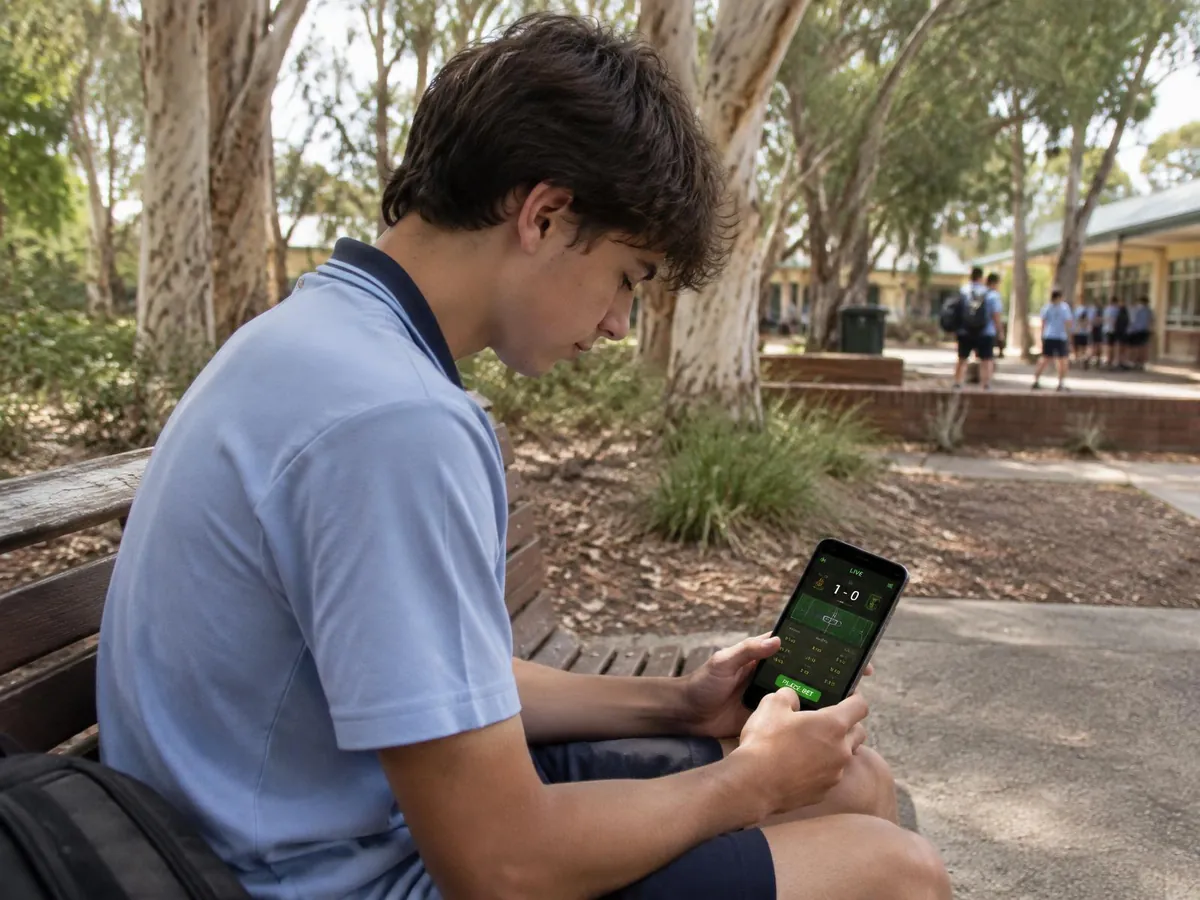
Betting is now part of how teenagers watch sport. Ads, apps, multis, loot boxes and skins all teach young people to bet before they can legally do it. Jonny doesn't lecture. He shows students how gambling is designed to hook them, why their brain is easy to hook at this age, and what it really costs them, using the same honest, story-driven style schools book him for.
Who it's for
What students walk away with
How odds really work, and why "I'm due a win" is a myth.
Bonus bets, notifications, multis, and what dopamine is doing.
Loot boxes, skins, simulated pokies and esports betting.
The signs it has stopped being fun, and where to get help.
The presentation
Why We Gamble
Jonny's four needs. Most gambling starts as a way to meet a real need, which is why telling students to "just don't" rarely works.
- Friends: Betting with mates feels like belonging.
- Self-Esteem: A win feels like proof you're smart.
- Boredom: The app is always there.
- Feeling Better: A bet becomes an escape from stress.
Gambling Explored Holistically (Mental, Physical, Social, Spiritual)
- Mentally: Betting pays your brain for doing nothing, so things worth doing start to feel harder.
- Physically: Late nights, stress and chasing losses take a toll on sleep and health.
- Socially: Secrecy, debts and borrowed money strain friendships and family.
- Spiritually: Gambling doesn't just take your money, it can chip away at your character.
You're Being Targeted
of NSW 12 to 17 year olds gambled for money in the past year.
of young people who gambled usually did it with a parent or guardian.
years old is the average age of a first gamble.
Source: NSW Youth Gambling Study 2020, CQUniversity for the NSW Office of Responsible Gambling
Whose Name Is On It?
Plenty of students bet by borrowing an older brother's or a mate's ID or account. Jonny walks through how that really plays out. Every deposit, bet and withdrawal leaves a money trail that leads straight back to the account holder. Betting companies have to check who their customers are, and when they find an account has been used by someone underage they can close it and keep the winnings. Using someone else's ID can also break the law. The person whose name is on the account carries the risk: the debts, the bank records and any legal trouble land on them, not on the mate who placed the bets.
The Final Message
Real stories from sportspeople who lost control of their betting show students that anyone can get hooked, and that asking for help is strength. Students leave knowing how to meet their needs in healthy ways and where to get help: Gambling Help 1800 858 858 and Kids Helpline 1800 55 1800.
Curriculum alignment
This presentation is tailored to the audience depending on age & outcomes and follows the Australian curriculum according to Educational Analysis and Consulting.
- • Identity and Influence (ACPPS089): Evaluate factors that shape identities, including how betting ads, apps and peers make gambling feel normal for young people.
- • Managing Emotional and Social Changes (ACPPS090): Propose, practise and evaluate strategies to manage personal, physical and social changes, including pressure to bet with friends.
- • Health Risk Management (ACPPS091): Plan, rehearse and evaluate strategies for managing health, safety and wellbeing risks, including gambling and simulated gambling in games.
- • Building Resilient Communities (ACPPS092): Plan and evaluate strategies that promote inclusion and resilience, so young people can connect with others without betting.
- • Health Literacy and Decision Making (ACPPS093): Critically analyse gambling marketing and odds, and apply reliable health information to make informed choices.
- • Understanding Health and Wellbeing (VCE HHD Unit 1, Outcome 1): Analyse how personal beliefs, relationships, behaviours and risks such as gambling impact identity and health outcomes.
- • Managing Health and Development (VCE HHD Unit 2, Outcome 1): Develop strategies for managing physical, emotional, social and financial health risks, including gambling.
- • Global Health Perspectives (VCE HHD Unit 3-4): Investigate how behaviour change strategies can reduce gambling harm and improve community health outcomes.
What educators say
Get him along! He will impact your kids and give them insights into how to make good decisions long term.
Staff feedback was that he was engaging and well received. Student feedback was that he was 'fun' and easy to listen to.

Totally recommend him to your school!

Frequently asked questions
Years 8-12, with the depth of the content adjusted for junior versus senior groups.
As Featured On












Book Gambling, Betting & Gaming
Terms 1 to 4 filling fast. Get pricing, availability and a proposal for your school within 3 business hours.